Quick Reference
- Scientific Rating
-
4.4/ 5.0
- Primary Mechanism
- Adaptogen; influences monoamine levels (Serotonin, Dopamine)
- Standardized Form
- Root extract standardized to 3% rosavins and 1% salidroside
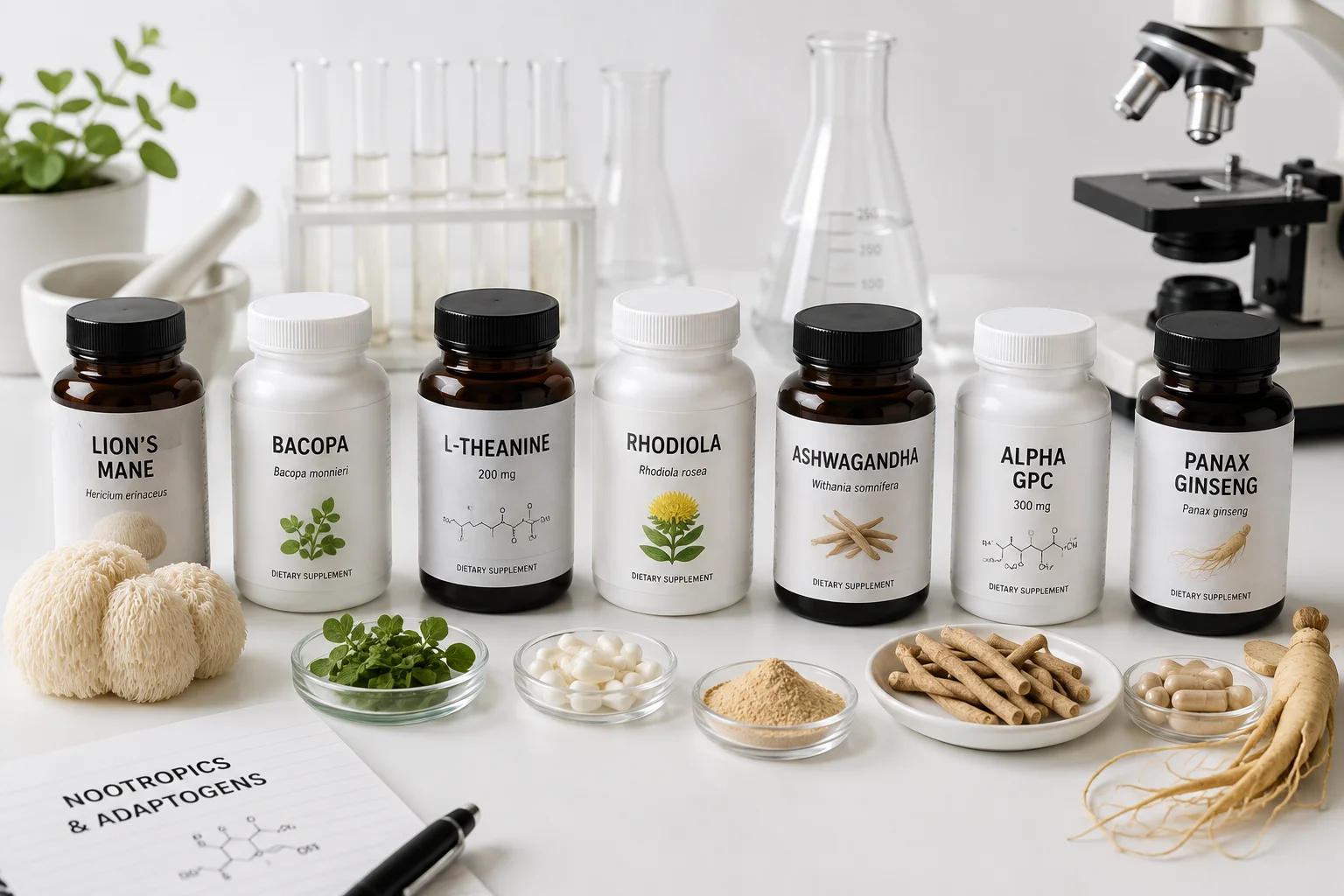
Rhodiola rosea is a hardy plant native to cold, mountainous regions of Scandinavia, Russia, and Central Asia, where it has a long history of use for combating fatigue and improving resilience to environmental stress. It is classified as an adaptogen, a category of botanicals studied for their potential to help the body maintain physiological stability under acute or chronic stress rather than targeting a single system. Research on Rhodiola has focused largely on its standardized extract, typically measured by rosavin and salidroside content, particularly in the context of mental and physical fatigue during demanding periods. It is commonly used in energy and stress-support formulas as a non-stimulant alternative to caffeine-based ingredients.
Table of Contents
Clinical Summary
A prominent Scandinavian adaptogen that helps the body resist physical and environmental stress. Clinical trials show it significantly reduces mental fatigue and improves subjective well-being during periods of burnout.
Dosage Guidelines
200-400mg daily. Should be taken in the morning or early afternoon to prevent potential sleep interference.
Safety & Side Effects
Mild dizziness, dry mouth, or sleep disturbances if taken late in the day. Can be overly stimulating for highly anxious individuals.
Known Interactions
Exhibits mild MAO-inhibiting properties. Use extreme caution when combining with SSRIs or other prescription antidepressants.
Scientific References
- 1
- 2
Medical Disclaimer
The information provided in this clinical review is for educational and informational purposes only. It is not intended to be a substitute for professional medical advice, diagnosis, or treatment.
*These statements have not been evaluated by the Food and Drug Administration (FDA). This product or ingredient is not intended to diagnose, treat, cure, or prevent any disease.
Always consult your physician or other qualified health provider with any questions you may have regarding a medical condition, or before beginning any new diet, fitness, supplement, or treatment regimen, especially if you have pre-existing medical conditions or are taking prescribed medications.